
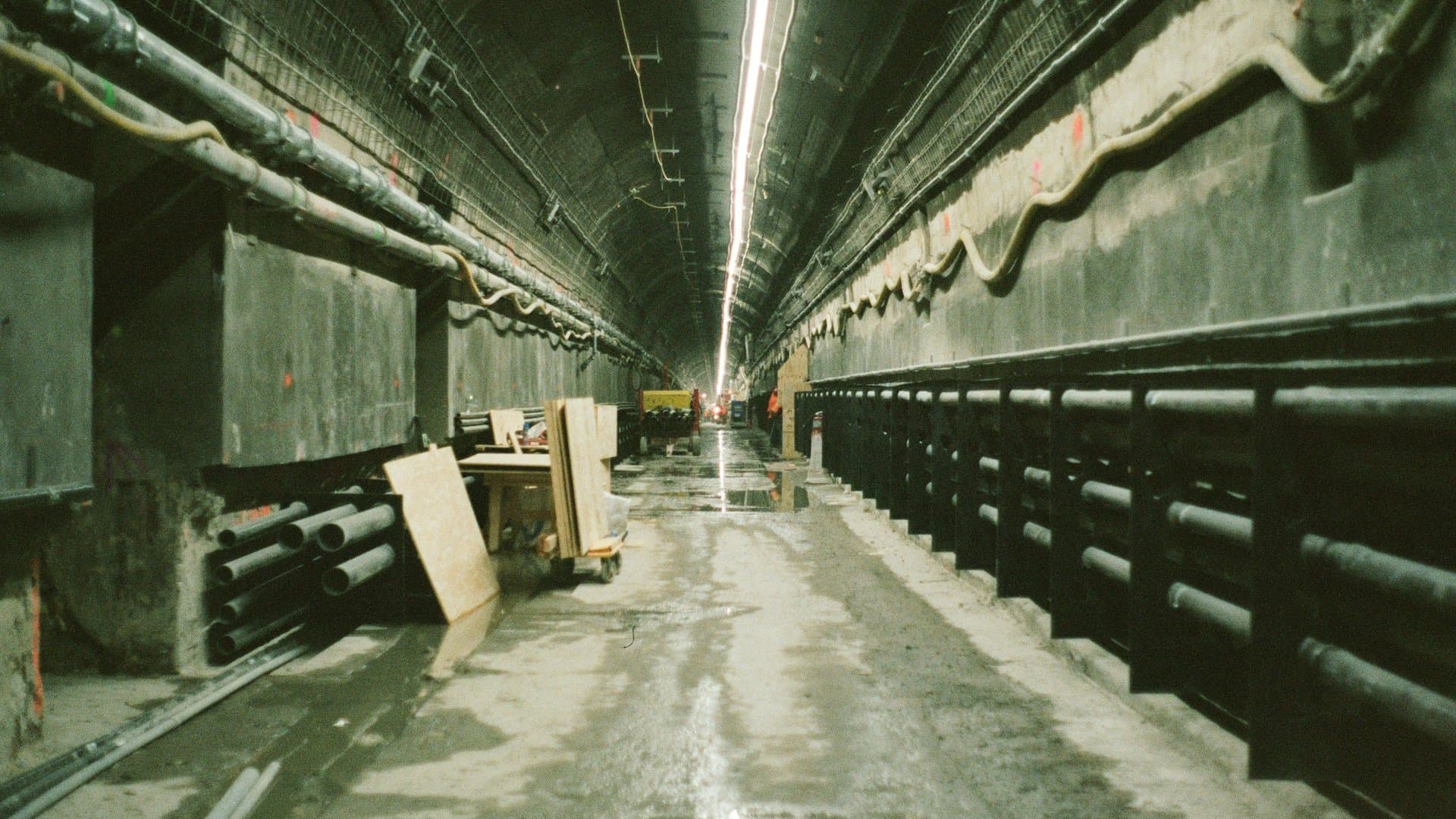
Utility Trenching & Conduit Installation
Precision trenching, conduit installation, vault setting, and compacted backfill for electrical, fiber, and telecom contractors throughout the Northern Sacramento Valley.
Underground utility installation requires precise trenching, careful conduit placement, and thorough compaction to protect cables and pipes that will serve properties for decades. Walberg, Inc. provides professional trenching and conduit installation services for electrical contractors, fiber optic installers, telecommunications companies, and other utility providers throughout Tehama, Butte, Shasta, Glenn, Colusa, and surrounding areas. We handle the civil work so the utility contractors can focus on their specialty — pulling cable and making connections.
Our trenching crews are experienced with the specific requirements of utility conduit installation. Electrical conduit requires precise depth, proper bedding, and specific separation distances from other underground utilities. Fiber optic conduit must be installed without sharp bends that could damage cables during future pulls. Telecommunications conduit often involves multiple duct banks with specific spacing requirements. In every case, the trench must be backfilled in compacted lifts that prevent future settlement, which could damage the conduit or create surface depressions above the trench line.
Beyond trenching and conduit, we install underground utility vaults, pull boxes, transformer pads, and other structures that are part of the underground utility infrastructure. These structures must be set to precise grade and alignment to match the conduit runs entering and exiting them. Our operators use laser and GPS equipment to ensure that vault tops finish flush with the planned surface elevation, and that conduit stubs are positioned correctly for the utility contractor's connections.
Walberg, Inc. has built strong working relationships with electrical contractors, fiber installers, and telecom companies throughout our service area. They rely on us because we understand their specific requirements, we show up when we say we will, and we leave them a trench and conduit system that is ready for cable pulling without rework. With 26 years of experience, over 100 pieces of company-owned equipment, and a crew of 38 to 40 experienced employees, we have the capacity to handle everything from a single residential electrical service trench to miles of utility conduit for a large development. Our CSLB license #898860 covers the general engineering work required for this type of underground construction.
What's Included
- Trench excavation to specified depth and width
- PVC, HDPE, and rigid conduit installation
- Multi-duct conduit bank installation
- Underground vault and pull box setting
- Transformer pad installation
- Sand bedding and warning tape placement
- Compacted backfill in engineered lifts
- Surface restoration (pavement, concrete, landscape)
- Utility locate coordination (USA North 811)
- As-built documentation and trench mapping
OUR PROCESS
How we deliver electrical trenching & conduit.
Scope Review & Utility Coordination
We review the conduit plan with the electrical or telecom contractor, verify depths, routing, and structure locations, call USA North 811 for utility locates, and develop a trenching sequence that coordinates with the overall project schedule.
Permitting & Site Preparation
We secure any required encroachment or excavation permits, mark the trench route on the ground, set up traffic control if working in rights-of-way, and coordinate our schedule with the utility contractor's cable-pulling timeline.
Trenching, Conduit Installation & Vault Setting
Our crews open the trench to specified dimensions, place sand bedding, install conduit with proper sweeps and fittings, set vaults and pull boxes to grade, and backfill in compacted lifts with warning tape at the specified depth. The trench is ready for the utility contractor to pull cable.
Compaction Verification & Surface Restoration
We verify compaction meets specifications, restore all disturbed surfaces including pavement, sidewalks, and landscaping, and provide as-built documentation showing conduit routing, depths, and structure locations for the utility provider's records.
EQUIPMENT
Equipment used on this service.
AREAS SERVED
Available across Northern California.
RELATED SERVICES
Other services you might need.
FAQ
Frequently Asked Questions
Burial depth for electrical conduit varies based on the conduit type, voltage, and location. PVC conduit under roadways typically requires 24 to 36 inches of cover, while conduit under landscaped areas may require 18 to 24 inches. The specific depth is determined by the project electrical engineer and local codes. We install to whatever depth is specified in the plans.
Walberg, Inc. handles the civil work — trenching, conduit installation, vault setting, backfill, and surface restoration. Cable and wire pulling is performed by the licensed electrical or telecom contractor. We coordinate our schedule closely with the utility contractor so conduit is ready when they need to begin pulling.
Yes, we regularly trench through asphalt and concrete pavement for utility installation in developed areas. We saw-cut the pavement along the trench line, excavate the trench, install the conduit, backfill and compact, and restore the pavement surface. We work to keep the trench patch neat and the finished surface level with the surrounding pavement.
Trenching costs typically range from $5 to $25 per linear foot depending on the trench depth and width, soil conditions, whether pavement cutting is required, and the number of conduits being installed. Projects in developed areas with pavement restoration are at the higher end. We provide detailed estimates based on your specific project plans.
A duct bank is a group of conduits arranged in a specific pattern, often encased in concrete or compacted backfill, used when multiple utility circuits need to run in the same trench. Duct banks are common in commercial developments and along major utility corridors. We install duct banks per the utility engineer's specifications, including proper spacing and encasement.